The United Nations Global Methane Assessment reported that more than half of global methane emissions are human-caused, having oil and gas extraction accounting for 23% of the total. Importantly, the report points out that the oil and gas industry can make significant reductions in emissions with relatively inexpensive technologies, many of which pay for themselves.
“…the fossil fuel sector has the greatest potential for targeted mitigation by 2030. Readily available targeted measures could reduce emissions from the oil and gas sector by 29–57 Mt/yr and from the coal sector by 12–25 Mt/yr. Up to 80 per cent of oil and gas measures and up to 98 per cent of coal measures could be implemented at negative or low cost.”
United Nations Environment Programme
As a result, reducing fugitive emissions of methane from energy systems, typically the result of unintended leaks and venting, is a strategic environmental performance initiative.
So how does one accomplish this?
Continuous Emissions Monitoring Systems (CEMS).
Fortunately, there are a wide variety of CEMS solutions available for upstream oil and gas operators. Each one offers different pros and cons as well as price points. Deciding on which solution is best for your operation and budget can be a tricky road to navigate. This article is a primer to help operators understand existing continuous emissions monitoring system options and take steps towards reducing fugitive emissions. Let’s begin with where leaks originate.
Leak Sources in the Oilfield
Common sources of fugitive methane emissions from upstream oil and gas operations include:
- Venting of tank vapor gas.
- Unintended leaks from worn seals and gaskets on compressors, pumps, and thief hatches.
- Old, compromised piping connections.
- Unlit pilot lights on flares, heater treaters and other fired equipment.
- Pressure relief valves that are worn or stuck in the open position.
- Worn valves and valve seals.
- Worn seals and degraded connections in natural gas-powered instrument air systems.
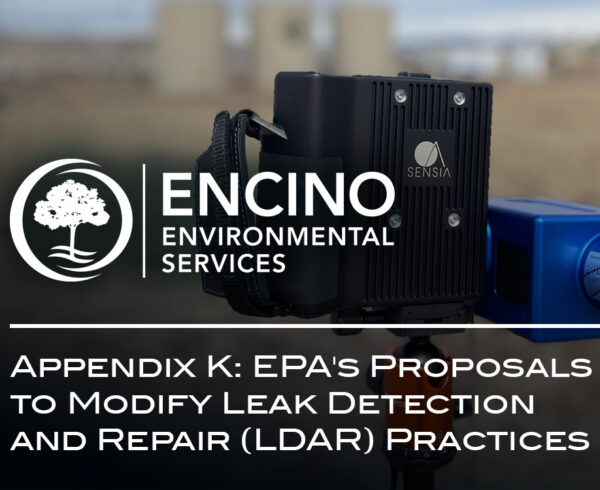
As a compliance measure, most upstream oil and gas operations are subject to EPA Method 21, which requires periodic inspection of well sites and facilities by Leak Detection and Repair (LDAR) crews. A component subject to LDAR requirements must be monitored at regular intervals to identify any leaks. If a leak is found, then operators are required to repair it in a timely manner. A good summary of LDAR practices can be found on EPA Leak Detection and Repair Best Practices Guide.
Types of Continuous Emissions Monitoring Systems
Although LDAR programs are a step in the right direction for reducing fugitive methane emissions, what happens between inspections can be important. If a leak begins just after an LDAR inspection, for example, it will vent raw gas into the atmosphere until detected at the next inspection. In some cases, the leak could persist for three months, unabated. This is where CEMS step in. CEMS helps identify leaks at the well site or facility in real time, markedly improving environmental performance.
Three common upstream oil and gas CEMS include:
Blind Sensors. Blind sensors typically use metal oxide (MOx) technology, which is relatively cheap to manufacture and install. They are situated at the “fence line” of well sites and facilities or in a grid pattern. Blind sensors, however, are just that – blind. They simply detect the presence of certain substances, in a similar way a fire alarm detects the presence of smoke particulates to indicate a potential fire. Blind sensors are not particularly effective in identifying specific emissions sources, describing individual plume components, or quantifying the volumes of an emissions event (i.e., source localization and quantification).
Fixed Lasers. Fixed laser-based detection methods can continuously scan wide areas and capture data indicating emission plumes. Resolution (and accuracy) depends on how many mirrors are deployed, which can be a challenge in areas with variable terrain. Additionally, the mirrors themselves are vulnerable to the elements, livestock and wildlife, and can be obscured by fallen trees or high snow drifts.
Artificial Intelligence Enabled Optical Gas Imaging (AI-OGI). AI-OGI) offers a significantly higher quality of visual analysis of emissions components during both daytime and at night. AI-OGI cameras can identify various emissions gases, including methane, CO2 and volatile organic compounds (VOCs). While AI-OGI cameras tend to cost more, they produce more actionable results and more precise data, improving the productivity of LDAR crews by dispatching them to sites with confirmed leaks and helping them locate emissions sources quickly. This keeps more natural gas in the pipe and improves field safety. Encino Continuous Optical Remote Sensing is an example of this type of solution. Refer to White Paper: Best Practices for Emissions Monitoring in the Energy Sector to gain insights in the use of these technologies.
The AI-OGI Advantage
Although fixed and handheld OGI cameras are essential equipment for LDAR teams, AI-OGI provides a substantial increase in continuous monitoring capability for detecting and quantifying oil and gas methane emissions.
An AI-OGI camera deployed to a well site actively and autonomously scans a well site, including the tank battery, key production equipment and other high-potential leak areas, unsupervised. It is like having an LDAR crew on site 24/7.
Additionally, the ability of AI-OGI cameras to precisely identify leak sources, detect emissions with low false alarm rates, quantify emission flow rates and their duration provides operators determine aggregate emissions on a specific site with a high level of granularity. This unparalleled insight into leak profiles of specific operations is essential to developing an effective methane mitigation strategy, ESG reporting, and achieving environmental performance objectives.
Benefits of AI-OGI for Oil and Gas Continuous Emissions Monitoring
The benefits of using AI-OGI for continuous methane emissions monitoring of upstream oil and gas operations for your Quantification, Monitoring, Reporting and Verification (QMRV) program include:
- Maximize return on investment (ROI) – good environmental performance is good business.
- Improve environmental performance.
- Increase revenue and resource conservation.
- Generate evidence on environmental performance.
- Produce actionable and auditable data.
- Improve access to capital.
- Make Mergers and Acquisitions (M&A) activity easier and attractive.
- Leverage carbon credits.
- Enhance mechanical integrity and uptime.
- Improve company’s safety profile.
- Capitalize on certified gas markets.
The Encino Environmental Advantage
Encino is a pioneer in emissions monitoring in the Energy sector, providing clients with a complete range of environmental services.
We view ourselves as an oilfield services company, dedicated to helping Oil & Gas operators improve their environmental and economic sustainability for providing the world with reliable and affordable energy.
Contact us today at (281) 201-3544 or support@encinoenviron.com for a free consultation and evaluation of how Encino can help you achieve environmental performance that generates economic results.
About Encino Environmental Services
Formed in 2010 and headquartered in Houston, Texas, Encino Environmental Services, LLC is an emissions performance testing and monitoring firm that specializes in environmental consulting, combustion analysis, LDAR (leak detection and repair), CEMS (continuous emissions monitoring systems), Remote Sensing technologies utilizing satellite methane emissions monitoring and advanced environmental data platforms for the measurement and minimization of emissions to support regulatory compliance and ESG strategies and objectives. The Company operates across the U.S. covering all major oil and gas basins and select international markets.