In today’s data-driven economy, data centers have become critical infrastructure – powering everything from financial transactions and artificial intelligence (AI) models to enterprise operations and cloud services. Yet as data centers grow in size, the energy intensity and number of facilities do too, increasing their environmental footprints. Regulatory agencies across the United States are increasing scrutiny on data center emissions, making it essential for developers and operators to proactively manage their emissions profile.
To avoid triggering Major Source thresholds and the burdensome requirements of a Title V Operating Permit under the Clean Air Act, data centers must prioritize emissions minimization during the design and operational phases. Partnering with a trusted environmental compliance and emissions reduction expert like Encino Environmental Services can be the key to navigating this complex regulatory landscape.
Why Emissions Matter: The Risk of Title V Classification
Under the U.S. EPA’s Clean Air Act, facilities that emit air pollutants above certain thresholds are classified as “Major Sources” and must obtain a Title V Operating Permit. This designation triggers extensive reporting, compliance monitoring, and recordkeeping obligations. In some cases, it can delay project timelines or limit operational flexibility—significantly impacting ROI for hyperscale and colocation providers alike.
To stay below the major source thresholds, typically 100 tons per year of criteria pollutants or 10 tons/year for a single “hazardous air pollutant” (HAP) or 25 tons/year for any combination of HAP, data centers must understand their Potential to Emit (PTE) from a source.
It is important to note that PTE is the maximum amount of a pollutant that a source could emit under its design and physical/operational limits if it operated continuously at full capacity. It is primarily used for air permitting to determine applicability for permits and whether a source is classified as “major” or “minor.” Because source PTE is calculated by equipment type and capacity multiplied by emissions factors, it represents a theoretical maximum given the continuous operation at full capacity assumption.
Scope emissions, reported under the Greenhouse Gas (GHG) Reporting Program, categorize actual or estimated greenhouse gas emissions by their source and relationship to the reporting entity. GHG Reporting Program requirements are trigged for those facilities that emit 25,000 metric tons of CO2e annually. The GHG Reporting Program classifies emissions into three types – Scope 1, 2, and 3 emissions.
Bottom line is that PTE is “what could happen if the facility ran at maximum capacity” (for permitting) as compared to Scope 1/2/3 emissions measures “what actually happened” (for reporting and transparency). We note this because a non-Title V facility could still be subject to GHG Reporting Program requirements.
Understanding Data Center Emissions: Scope 1, 2, and 3
Scope 1: Direct Emissions
Scope 1 emissions are those released on-site, under direct operational control. For data centers, primary Scope 1 sources include:
- Backup generators (diesel or natural gas-fired)
- Onsite generation
- Boilers or heating systems (from HVAC systems)
- On-site refrigerant leaks (from HVAC and cooling systems)
- Fleet vehicles (if applicable)
While these emissions may seem intermittent (e.g., backup generators used during testing or outages), they can quickly accumulate and result in a facility exceeding permit limits and into non-compliance.
Utility capacity limitations are driving data center operators to adopt self-generation for primary power, generally resulting in higher Scope 1 emissions. Yet, depending on the local utility’s energy mix, self-generation can occasionally offer a lower-emission alternative.
Scope 2: Indirect Emissions from Purchased Energy
Scope 2 emissions are the indirect emissions from electricity generated off-site. These emissions depend on the utility provider’s resource mix and the total amount of power drawn. High PUE (Power Usage Effectiveness) ratings, indicating that a significant portion of energy consumption is used for non-computing resources (e.g., cooling and power distribution), can exacerbate Scope 2 emissions.
Scope 3: Upstream and Downstream Emissions
These indirect emissions stem from the data center’s broader value chain, including:
- Embodied carbon in construction materials
- Emissions from supply chains
- Employee commuting and travel
- Customer usage of digital services
In the U.S., reporting under the GHG Protocol (Scopes 1, 2, and 3) is generally voluntary, though states such as California require it under climate disclosure laws. Even where not required, many leading operators track and manage their emissions to meet ESG goals and satisfy growing customer expectations.
How Encino Environmental Helps Data Centers Stay Compliant and Sustainable
Encino Environmental is a leading provider of environmental consulting and emissions reduction solutions tailored to energy-intensive operations like data centers. Here’s how Encino can support data center developers and operators in minimizing emissions and avoiding Title V permit burdens:
Site-Specific Emissions Modeling and Permitting Strategy
Encino helps developers assess proposed emissions profiles and identify the most efficient pathway to secure air permits while staying under major source thresholds. This includes:
- Detailed generator usage modeling
- Emission factor calculations for all on-site sources
- Tiered permitting strategies (e.g., synthetic minor permits)
- Local/state air quality consultation and compliance planning
Generator and Fuel Optimization
Encino assist clients evaluate the use of cleaner fuel alternatives (such as renewable diesel or RNG), dual-fuel systems, or lower-emission generator technologies that significantly reduce NOx, CO, and particulate matter emissions.
Emissions Monitoring and Testing
Encino deploys Continuous Emissions Monitoring Systems (CEMS), remote sensing platforms, and portable stack testing services to validate compliance and emissions rates in real-time or during generator commissioning and performance checks.
Carbon Accounting and ESG Reporting
Encino’s carbon management team assists clients in quantifying Scope 1, 2, and 3 emissions in alignment with industry frameworks like the Greenhouse Gas Protocol, CDP, and SEC climate disclosure guidance.
Renewable Energy Integration and Scope 2 Mitigation
Encino helps clients evaluate and implement energy sourcing strategies—from renewable energy credits (RECs) and power purchase agreements (PPAs) to on-site solar or battery systems—to reduce Scope 2 emissions and improve PUE ratio.
Sustainability-Focused Design Consulting
During the data center design phase, Encino offers consulting to minimize long-term emissions impact
Encino Advisory Solutions
The type(s) of air permit(s) required depend in large part on the amount of potential emissions of the microgrid and its location. If located in a non-attainment zone, emissions thresholds for major non-attainment source New Source Review (NNSR) construction permit and Titlte V operating permits can be substantially lower than if located in a general area. Since obtaining NNSR and Title V permits are time consuming and expensive, not to mention stringent ongoing compliance mandates, assessing permit requirements is an essential step in site selection.
Encino helps clients get the most out of their investment in environmental performance solutions while meeting their compliance obligations. No matter what technology you are using, we can help you get the most out of it.
- Microgrids using stationary reciprocating or natural gas powered gensets will require air permitting and ongoing emissions compliance. We have the expertise to help you develop a strategy for successful permitting and compliance obligations.
- Permitting and Regulatory Advisory. Experienced advisory for emissions reduction strategy including tools and resources for preparing compliance assessments and permits.
- Data Services and Management. Data services to synthesize multiple data sources into a comprehensive view of your emissions profile from the ground up to space and establish one source of truth for emissions data.
- ESG and GHG Reporting. Reporting for ESG and Compliance needs based on comprehensive, reliable, and verifiable data.
READ MORE: Encino Environmental Advisory Services
READ MORE: Microgrid Air Permitting Requirements


Emissions Performance Engine Testing
An emissions performance test must be performed on every engine and turbine in your microgrid before it can begin full-scale operations, as well as with periodicity specified in the operating permit (e.g., every 8760 hours of operation). Encino operates advanced mobile emissions performance engine testing laboratories that are compliant with US EPA testing protocols to measure criteria pollutants and speciated GHG compounds, including methane and CO2. Our proprietary systems, managed by highly skilled Encino technicians, deliver near real-time data, expediting diagnosis and enabling the implementation of performance optimization strategies.
- Reliable and comprehensive engine testing.
- Electronic Reporting into EPA’s CEDRI.
- Measure and understand the emissions profile of key assets and infrastructure.
- Can be combined with EmVision™ and EmSAT™ to expand measurement coverage.
- Near real-time data for quick diagnosis and performance optimization.
READ MORE: Emissions Source Testing Across the Energy Value Chain
READ MORE: CEDRI Reporting FAQ
Continuous OGI Monitoring
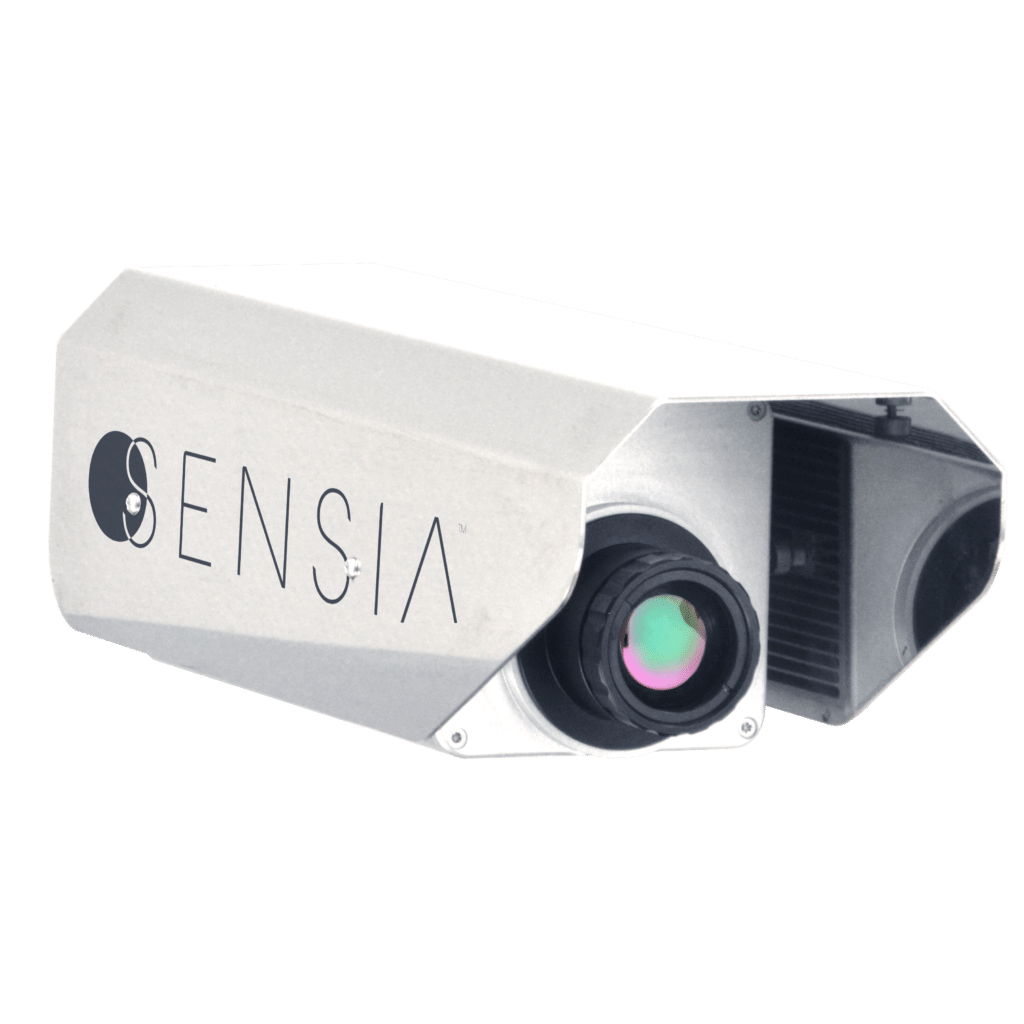
Continuous OGI monitoring can help you quickly identify fugitive emissions from your microgrid facility and provide reliable security monitoring day and night. EmVision™ quantitative optical gas imaging (QOGI) from Encino delivers accurate, actionable, and auditable emissions data providing you with fewer false positive alerts, a true picture of your emissions profile, and round-the-clock reliable surveillance monitoring.
- Visual continuous emissions monitoring at the well site or facility
- High-definition, multispectral and hyperspectral imaging technology for intelligent, real-time analysis and quantification
- Real-time visual leak detection that you can see
- Accurate quantification of emissions volumes
- Maximize the ROI on LDAR teams
- Fix leaks fast, keep product in the pip
- Achieve environmental performance goals
- Improved safety profile
READ MORE: EmVision™ Quantitative Optical Gas Imaging (QOGI) CEMS system

Leak Detection and Repair Services (LDAR)
If your microgrid is subject to a major source operating permit (i.e., Title V), then most likely you must perform scheduled leak detection and repair (LDAR) inspections. Encino can help you achieve your Low Carbon Economy (LCE) goals with state-of-the-art LDAR services. Our skilled LDAR crews use class-leading technology, including quantitative optical gas imaging (QOGI) cameras, and are unmatched in their professionalism. Encino LDAR technicians have decades of experience conducting surveys for both compliance and voluntary emissions reduction initiatives.
- OGMP 2.0 (Level 4 and Level 5 “Gold Standard” reporting)
- Meet NSPS OOOOa and OOOOb requirement
- Comply with Method 21 LDAR (OOOOa, VVA, and additional permit conditions)
- Support certified natural gas initiatives.
- Support Voluntary Emissions Reduction (VER) initiatives for Carbon Capture Credits and shelter from Methane Tax regulations and other emissions reduction goals
- Texas 28M Series
- Colorado Reg 7
READ MORE: Leak Detection and Repair Services (LDAR)
Enviromech™ Composite Thief Hatch for Liquid Storage Tanks
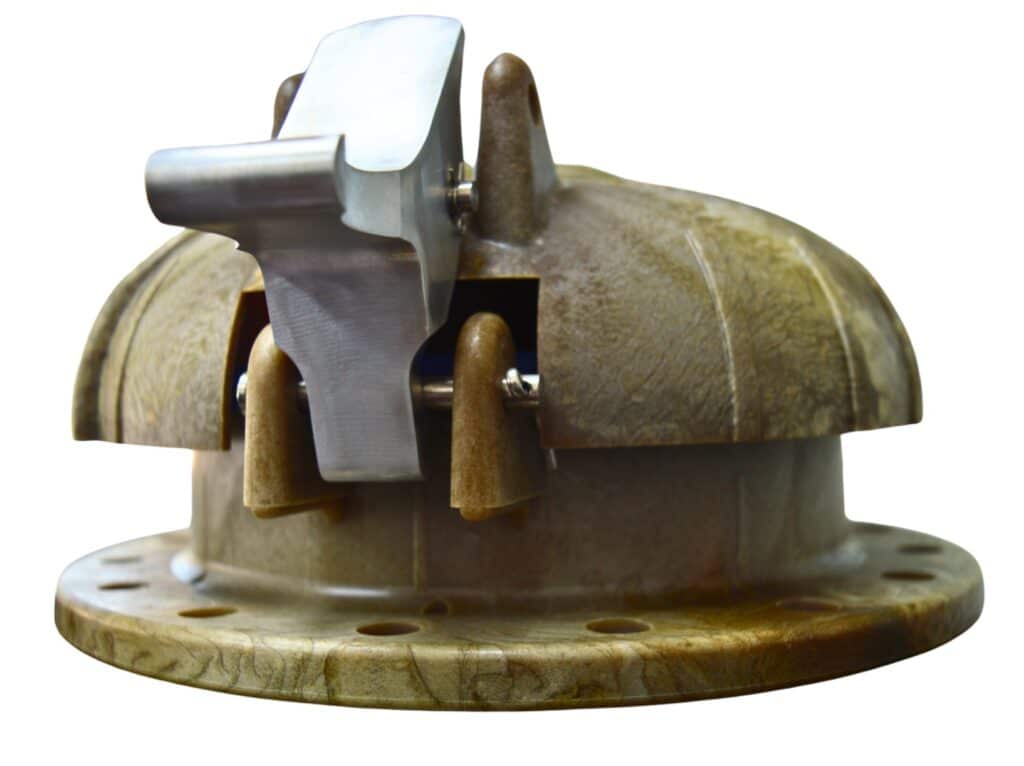
Fuel storage tanks and backup power systems can be significant sources of fugitive emissions, exposing your facility to potential fines, regulatory actions, and impairment to your corporate reputation. Faulty or worn thief hatches are a common source of storage tank emissions.
The patented Enviromech™ composite thief hatch significantly reduces this key source of liquid storage tank emissions. Enviromech composite thief hatches for liquid storage tanks are engineered with aerospace-grade tolerances and constructed from a durable composite glass-reinforced polyetherimide material, providing corrosion resistance and long-term mechanical integrity performance. These hatches offer a significant improvement in environmental performance and safety over existing technologies.
READ MORE: Enviromech™ Composite Thief Hatch
Envisioning the Best Permitting Strategy and Building Greener Data Infrastructure
As environmental regulations evolve and the public’s focus on digital sustainability intensifies, data centers must balance performance, reliability, and compliance. Minimizing emissions isn’t just about avoiding fines or permit delays, it’s about future-proofing your operations, protecting brand reputation, and meeting stakeholder expectations.
Encino Environmental stands ready to support data center developers, designers, and operators with the expertise, tools, and services needed to stay compliant, stay efficient, and stay profitable.
Ready to reduce emissions and streamline your air permitting process? Contact us today for a free consultation and evaluation of how Encino can help you ensure a successful Data Center project from start to finish.