Air Permitting Is Moving Closer to the Front of Project Planning
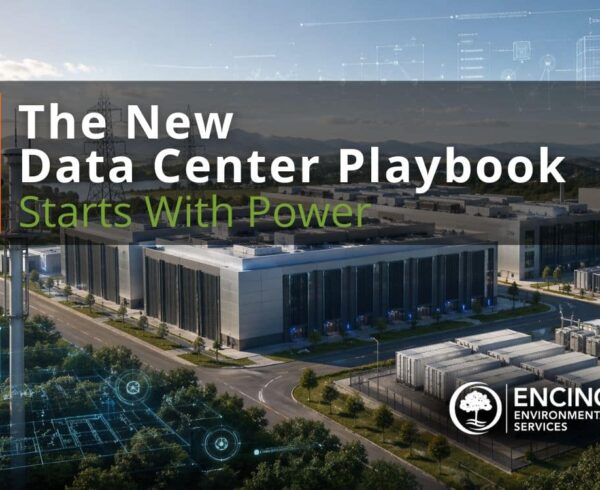
As data center development expands, onsite power generation is becoming a larger part of the air permitting conversation. Projects that include combustion turbines, diesel generators, or other emissions-producing equipment need to evaluate air permitting earlier in the planning process. Recent public concern around a Virginia data center shows how permitting assumptions, actual emissions data, testing records, and community communication can become connected once a project begins operating. For data center developers and operators, early planning can support compliance, reduce project risk, and provide the documentation needed to respond clearly when questions arise.
Data center development is expanding quickly across markets where power availability, construction schedules, and community concerns are becoming more connected.

For project teams, air permitting can no longer be treated as a late-stage compliance item. When a data center includes onsite power generation, backup generators, or combustion-based support equipment, permitting decisions can influence site selection, equipment strategy, construction timing, testing requirements, and long-term operating flexibility.
Recent reporting in Virginia shows how quickly these issues can become visible outside of the project team.
Residents near a data center raised concerns after learning the facility had been approved to use onsite natural gas turbines and diesel generators. According to reporting on the issue, community members said they knew a data center was being built nearby but did not understand the extent of the onsite power generation associated with the project.
That distinction is becoming increasingly important.
A data center with large-scale onsite power may not be viewed by nearby communities only as a building project. It can also be viewed as an industrial air source, especially when turbines, diesel generators, and operating-hour limits are part of the permit record.
Onsite Power Changes the Air Permitting Conversation
Power availability is one of the defining challenges in data center development. As demand grows, some projects are evaluating onsite generation to support reliability, bridge grid constraints, or maintain operating continuity.
From a permitting standpoint, that changes the project profile.
Combustion turbines, diesel engine-generators, and related controls introduce air emissions considerations that can affect:
- Site selection
- Equipment selection
- Permit applicability
- Modeling assumptions
- Construction timing
- Operating limits
- Performance testing
- Recordkeeping
- Long-term operating flexibility
As data center growth expands across major markets, state agencies, local governments, utilities, residents, and environmental groups are paying closer attention to how onsite power fits into the larger development picture.
The Virginia Example Shows Why Assumptions Need to Be Clear
The Virginia data center discussion centers on a permitted onsite power system that includes natural gas turbines and diesel generators. The Piedmont Environmental Council commissioned an independent study to evaluate potential air quality and health impacts tied to the facility’s permitted onsite power system.
The study estimated potential health-related damages using a screening scenario based on the facility’s maximum permitted annual emissions. That detail is important. A maximum permitted emissions scenario is useful for understanding the upper boundary of authorized emissions, but it does not necessarily represent day-to-day operations.
Virginia DEQ later issued a response disputing key findings in the study. The agency said actual emissions reported for 2025 were below permitted annual limits, and it raised concerns about the modeling tools and assumptions used to estimate source-specific health impacts.
The technical debate is important, but the broader lesson is more practical for project teams: permitted emissions, actual emissions, modeling methods, operating data, and public communication can all become part of the same conversation.
When a project is questioned, the strength of the response depends on the quality of the underlying records.
Actual Emissions Data Carries More Weight Under Scrutiny
Permits define what a facility is authorized to do. Actual operating data shows what the facility is doing.
That difference can become central when regulators, residents, or other stakeholders ask questions about air quality impacts. In the Virginia case, DEQ’s response relied heavily on actual emissions data, turbine operating hours, emissions testing results, and comparisons to permitted limits.
For data center developers and operators, this reinforces the value of building a defensible emissions management approach before questions arise.
That includes:
- Clear generator and turbine inventories
- Accurate operating-hour tracking
- Permit limit tracking
- Fuel usage records
- Performance test data
- Control device documentation
- Maintenance records
- Routine internal review of emissions data
- A clear process for responding to regulatory or community questions
Strong documentation does more than support compliance. It helps project teams explain the difference between permitted capacity, expected operations, actual operations, and potential future operating scenarios.
Testing Plans Should Be Built into the Development Strategy
As air permitting expectations evolve, testing plans should be considered early in the project lifecycle.
For data centers with combustion equipment, testing may be needed to confirm emissions performance, support permit conditions, document control device performance, or demonstrate that equipment is operating within required limits.
Testing plans can affect scheduling, access, staffing, data collection, and coordination between operations, environmental, engineering, and compliance teams. Waiting until equipment is installed or approaching startup can create unnecessary pressure, especially when permit conditions include performance testing deadlines or reporting obligations.
Early planning can help project teams answer practical questions before they become constraints:
- What equipment will require testing?
- What pollutants need to be measured?
- What operating conditions must be achieved during testing?
- What records are needed before, during, and after the test event?
- Who is responsible for coordinating field access and operational support?
- How will test results be used for permit compliance and internal reporting?
For fast-moving data center projects, these details can affect both compliance readiness and construction-to-operation timelines.
Community and Regulatory Expectations Are Increasing
Virginia DEQ has already taken steps that show how data center air quality concerns are evolving. The agency has launched a data center air monitoring project in Northern Virginia, with sensors deployed in Loudoun County and planned monitoring activity in Prince William County.
Virginia DEQ has also revised guidance related to diesel engine-generator sets at data center stationary sources. The revised guidance addresses presumptive Best Available Control Technology and performance testing requirements for emergency and non-emergency generator sets at data centers.
These developments point to a larger trend. Data center air permitting is moving into a more visible phase. Agencies are refining guidance. Communities are asking more detailed questions. Environmental groups are reviewing permit records. Project teams are being asked to explain how onsite power generation affects air quality, operations, and nearby communities.
What Data Center Project Teams Should Take from This
The lesson is not that onsite generation should be avoided in every case. The more useful takeaway is that onsite power changes the planning requirements around air permitting and emissions management.
Data center teams should evaluate air permitting needs early enough to inform design, equipment selection, operating strategy, and project schedules.
Key planning questions include:
- Does the project include onsite combustion equipment?
- Will the equipment be used only for emergency backup, or could it support primary or supplemental power?
- How will the selected equipment affect permitting thresholds?
- What control technologies may be required or expected?
- Will the site need performance testing?
- What records will be needed to support permit compliance?
- How could public interest affect the project timeline?
- How will the team explain actual emissions data if questions arise?
These questions are easier to address before final equipment selections, construction schedules, and operating assumptions are locked in.
Defensible Data Supports Better Project Decisions
Data center growth is not slowing down, and the pressure around power availability is likely to continue shaping project strategy. As more facilities evaluate onsite generation, air permitting will become a more important part of development planning.
For project teams, defensible emissions data is becoming a practical business requirement. It supports permit compliance, improves internal visibility, strengthens communication with regulators, and helps teams make better decisions about equipment, testing, and operations.
Encino helps data center project teams connect air permitting strategy, emissions testing, field data, and ongoing compliance support. When onsite power is part of the project, early planning can reduce surprises and give teams the documentation they need to move forward with greater confidence.
Sources:
- DC News Now: Reporting on Virginia data center onsite power and public concern
- The Piedmont Environmental Council: Press release on independent health impact study
- Virginia DEQ: Stationary Source Assessment response, available through DEQ Reports
- Virginia DEQ: Issued Air Permits for Data Centers
- Virginia DEQ: Data Center Air Monitoring Project