The 2026 OGMP 2.0 Annual Implementation Conference reinforced a message that is becoming increasingly clear across the energy sector: methane measurement is no longer just about reporting. It is becoming a critical tool for understanding emissions at a deeper level, improving inventory accuracy, and guiding smarter operational decisions.
Held February 9–12 in Abu Dhabi, the conference marked the fifth anniversary of OGMP 2.0 and brought together more than 150 member companies and partners representing a significant share of global oil and gas production. As UNEP’s flagship methane measurement and reporting program, OGMP 2.0 continues to raise the bar for how operators monitor, report, and verify methane emissions across their assets.
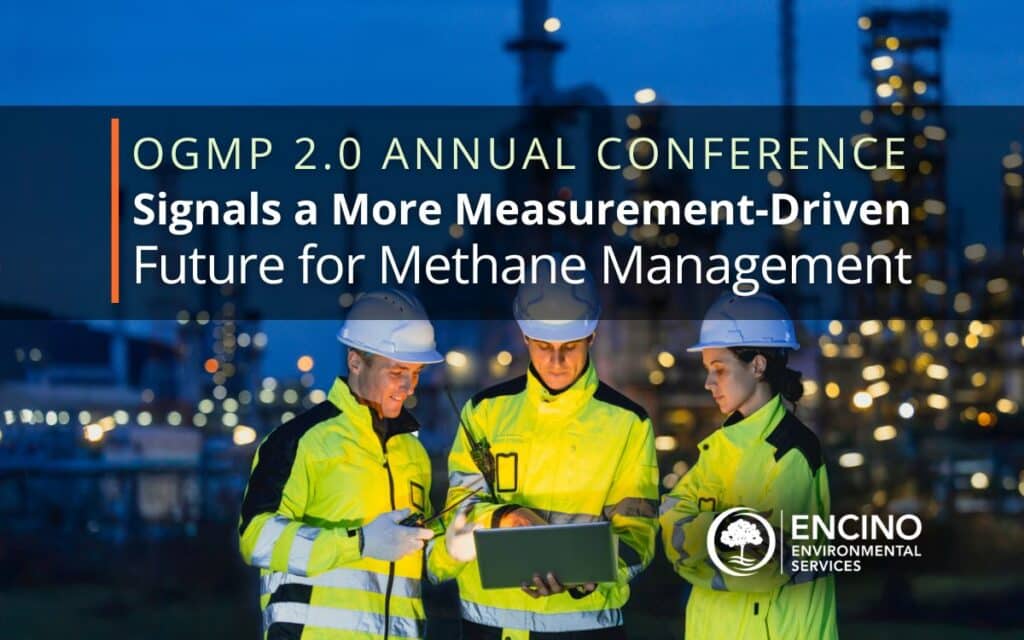
A key theme running through the conference was the continued shift away from generalized estimates and toward measurement-based reporting. That includes better source-level data, stronger reconciliation between top-down and bottom-up approaches, and more disciplined efforts to identify the emissions source. For operators, that matters because better data does more than improve reporting credibility. It also helps reveal where systems, equipment, and processes may not be performing as intended.
That is an important distinction. In many cases, a fugitive emission is not the root problem. It is the visible result of an underlying cause, such as equipment wear, process instability, combustion inefficiency, pressure management issues, or maintenance gaps. When operators have better measurement data, they are in a stronger position not only to quantify emissions, but to understand the cause, prioritize corrective action, and improve operational performance over time.
The conference also reinforced that methane management is becoming more integrated with broader business priorities. Accurate emissions data can help companies strengthen environmental performance, prepare for growing stakeholder scrutiny, and make better-informed decisions about where to focus time, capital, and mitigation effort. That is one reason OGMP 2.0 continues to gain traction as a practical framework, not just a reporting exercise.
How Encino Can Add Value
As expectations for methane reporting continue to rise, operators need more than a framework. They need defensible field data and technical expertise to turn that data into action.
Encino helps clients move beyond estimated values by providing OGMP 2.0 methane reporting support, in addition to supporting measurement-based methane programs with source-level testing and quantification, facility-wide diagnostics, continuous emissions monitoring, satellite detection, LDAR support, and reconciliation strategies that help close the gap between estimated and actual emissions. This work supports stronger reporting, but it also creates operational value.
When emissions are measured accurately, the data often points to issues that would otherwise remain hidden. A leak, abnormal reading, or recurring emissions event may indicate a deeper operational problem that is affecting performance, reliability, product retention, or maintenance needs. By helping clients identify and understand those issues, Encino supports not only compliance and methane reporting goals, but also more efficient and informed operations.
In that sense, better emissions measurement is not just about documenting what happened. It is about helping operators understand why it happened and what to do next.
As OGMP 2.0 continues to shape industry expectations, companies that treat emissions data as both a compliance requirement and an operational tool will be better positioned to improve performance, reduce risk, and build more credible methane management programs.