EU guidance aims to make methane compliance more practical for imported oil and gas, while keeping the transparency bar high.
Europe is moving to make compliance more workable under its new methane emissions law for imported oil and gas, following concerns raised by the United States and industry. In a Reuters report published December 11, 2025, journalist Kate Abnett explains that the European Commission has circulated guidance that outlines alternative ways for companies to demonstrate compliance when the origin of imported gas is difficult to trace.
Why the EU Methane Law Matters for Global LNG and Oil Imports
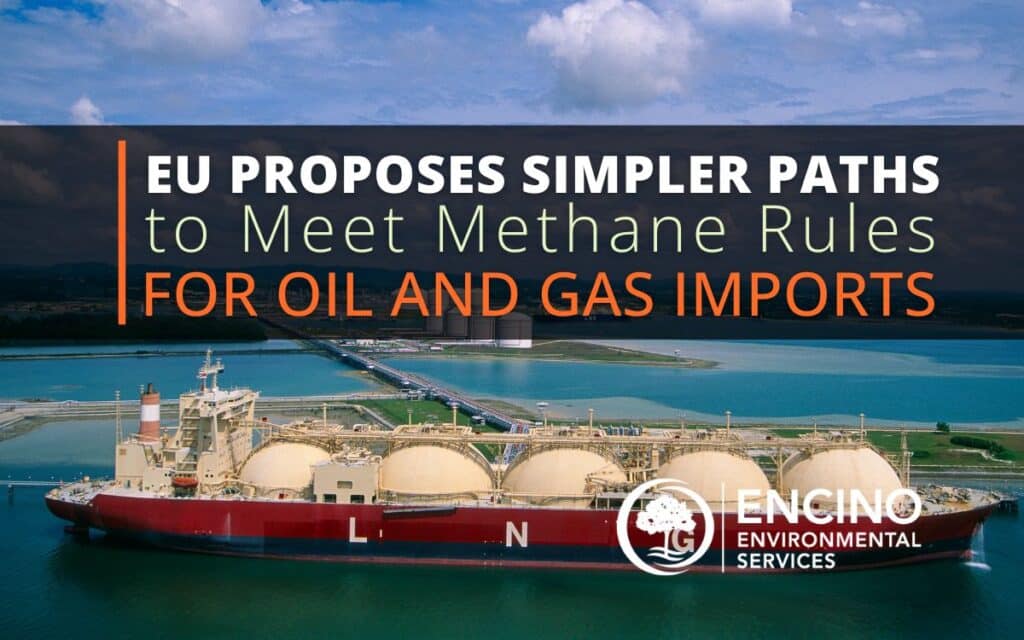
The EU’s methane law is designed to reduce methane emissions associated with energy supply chains. It requires importers to monitor and report methane emissions tied to the fuels they bring into Europe, which is especially relevant as Europe continues to rely on imported liquefied natural gas, including supply from the United States.
The Compliance Challenge: Traceability Across Complex Supply Chains
One of the central issues is traceability. As Reuters describes, a single LNG cargo can include commingled volumes from multiple production areas, making it difficult to assign one definitive emissions profile to one shipment. That complexity has driven requests for practical approaches that still preserve the intent of the law.
Two Proposed Compliance Pathways: Certification and Trace and Claim
According to Reuters, the Commission’s document presents two routes for cases where physical traceability is limited.
First, importers could use certificates purchased from an independent verifier that assigns an emissions value based on the gas at its production location.
Second, companies could use a digital “trace and claim” approach, where volumes are given a digital identifier that follows the product through commercial transactions from producer to final buyer.
What Happens Next: Timeline, Contract Implications, and Enforcement
While these options aim to simplify compliance, they do not replace the law itself. Reuters notes that the EU expects requirements to tighten over time. Starting in 2027, methane standards equivalent to the EU’s would become a requirement for new gas supply contracts. Enforcement will sit with national authorities in EU member states, and energy ministers are expected to discuss the Commission’s approach in Brussels.
What This Signals for Methane Reporting and Verification
For the market, the direction is clear. Methane measurement, verification, and defensible documentation are quickly becoming core requirements for participating in global energy trade. The details of implementation may evolve, yet the broader expectation is moving toward greater transparency, more consistent reporting, and practical systems that can stand up to scrutiny across increasingly complex supply chains.
How Encino Can Help
Encino Environmental Services is positioned to support operators, midstream, and LNG stakeholders as methane transparency expectations rise. Through emissions testing, measurement and monitoring support, and compliance focused advisory services, we help teams build credible data sets and practical documentation workflows that hold up under regulatory and commercial review. If you are preparing for EU methane requirements, evaluating traceability options, or strengthening your methane reporting program, we are happy to be a resource. Reach out to our team to talk through your current challenges and next steps.
Source: Reuters, “EU offers simpler rules to comply with methane law after US pressure,” December 11, 2025, by Kate Abnett.